
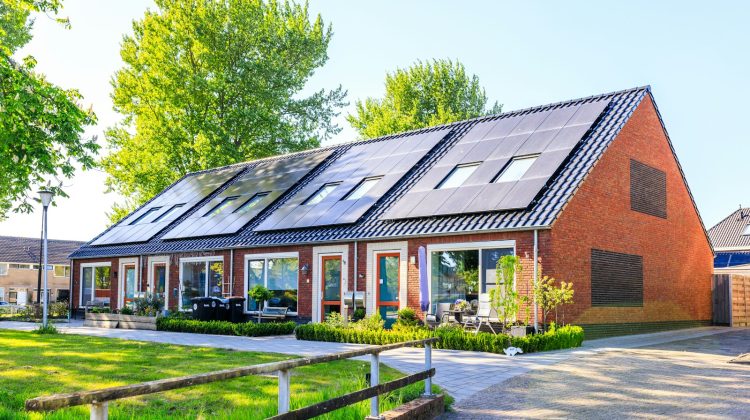
For businesses with high daytime electricity use, such as warehouses, workshops, offices, and retail, commercial solar tends to pay for itself faster than residential systems, simply because commercial power rates are higher and usage lines up with generation hours.
Why commercial solar makes financial sense
Most businesses use the bulk of their electricity during business hours, which is exactly when solar generates the most. That overlap means a much higher share of your generated power gets used directly on site rather than exported at a lower feed-in rate.

Choosing the right system size
Commercial systems scale well beyond residential sizing:
- 25kW, suited to small businesses and workshops. See our 25kW Solar System.
- 50kW, mid-sized commercial operations with higher daytime load.
- 100kW, warehouses and larger complexes. See our 100kW Solar System.
Quick Tip
Commercial solar assets are generally eligible for depreciation under standard business asset rules, which can meaningfully improve the after-tax return. Discuss this with your accountant alongside your quote.
Government support for business solar
Victoria’s Solar for Business Program offers rebates specifically for small businesses installing solar, on top of federal STC incentives that apply to commercial systems the same way they do to residential ones.
Commercial solar across Melbourne’s West
We work with businesses across Melbourne’s West and growth industrial areas including Truganina and Tarneit.
Leave a Reply