
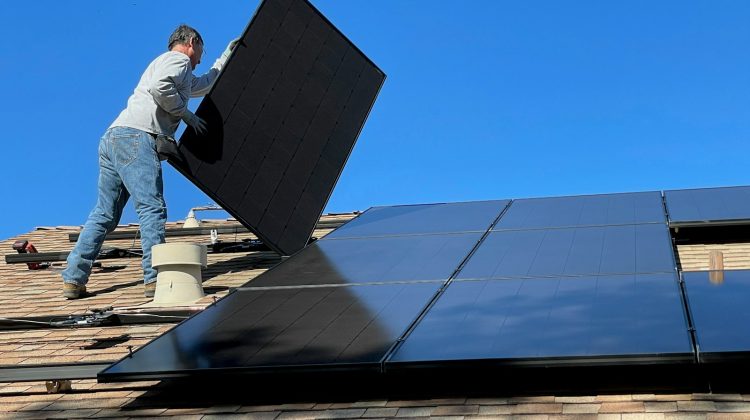
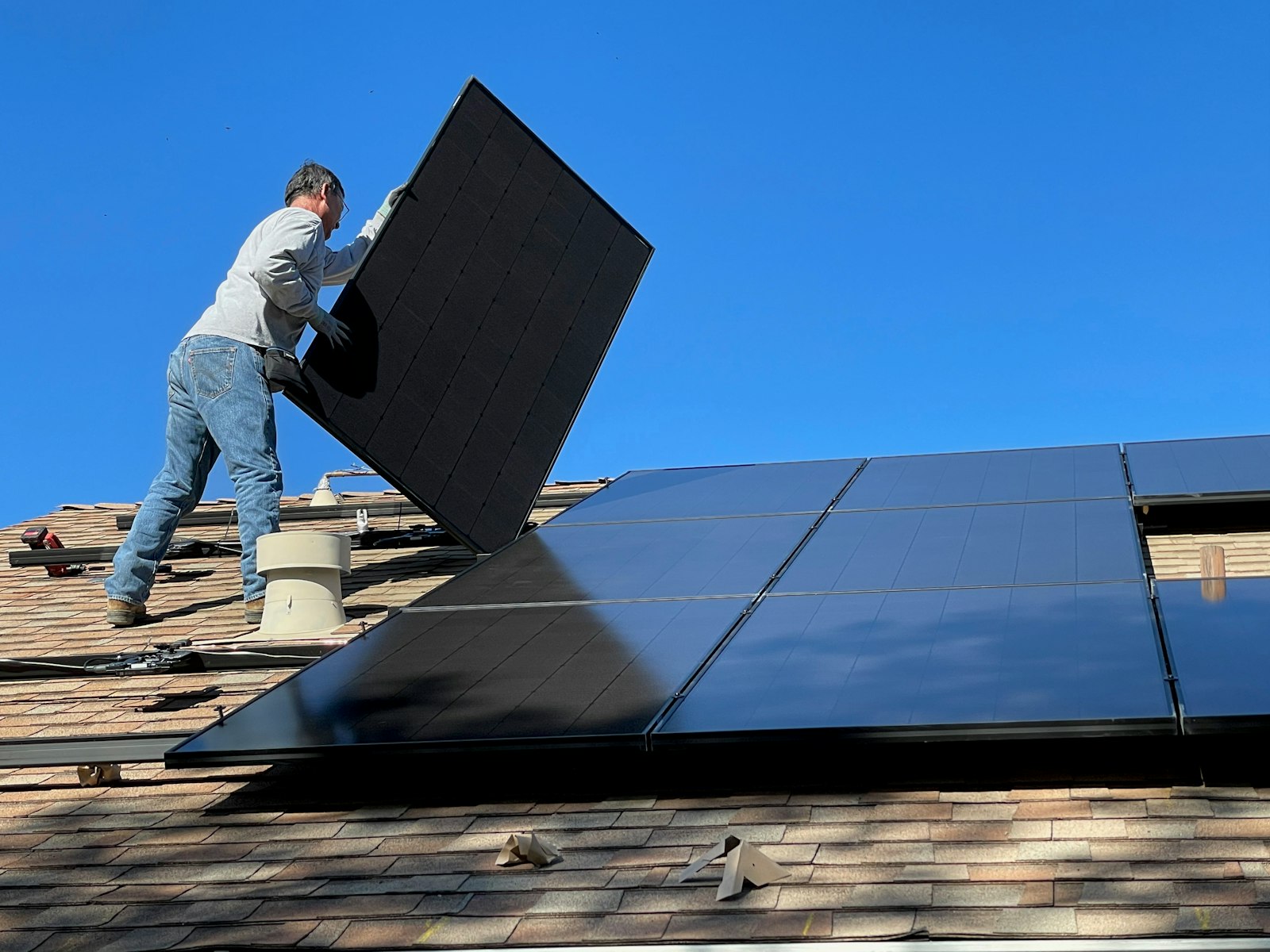
Solar panels are typically rated for 25 years, but that doesn’t mean every system should run untouched for a quarter of a century. Older systems, especially those installed more than 10 to 15 years ago, often carry outdated technology that makes upgrading worthwhile well before the panels physically fail.
Noticeable drop in generation
Panels degrade gradually, roughly 0.5 to 1% per year, so a small decline is normal. But if your generation has dropped sharply, or the app shows meaningfully less output than it did a couple of years ago for the same season, that’s not normal wear. It’s usually a sign something specific has failed.
Your inverter is nearing or past its lifespan
Inverters typically last 10 to 15 years, notably less than the panels themselves, so if your inverter is approaching that age, it’s often more efficient to replace both together rather than pairing a new inverter with old, lower-output panels.
Quick Tip
Cracked glass, discolouration, or visible corrosion on the frame or wiring are worth having inspected even if the system still seems to be generating power. Damage like this can worsen quickly.
You want to add a battery or EV charging
If your current inverter isn’t hybrid capable, adding a battery later usually means a second inverter or a full swap. It’s often more cost effective to upgrade the whole system in one project rather than twice.
Get your system assessed
If any of this sounds familiar, it’s worth having your system properly inspected. We service ageing systems across Melbourne’s East and check eligibility for the current Victoria Solar Rebate on any upgrade.

Leave a Reply